In today’s fast-paced digital landscape, businesses rely on multiple software tools to manage operations—CRM systems, accounting platforms, marketing tools, and more. While each system serves a purpose, disconnected applications often lead to inefficiencies, data silos, and missed opportunities.
This is where API integration services play a critical role. At Aspire Software Consultancy, we help businesses seamlessly connect their systems to improve efficiency, automate workflows, and unlock real-time insights.
What Are API Integration Services?
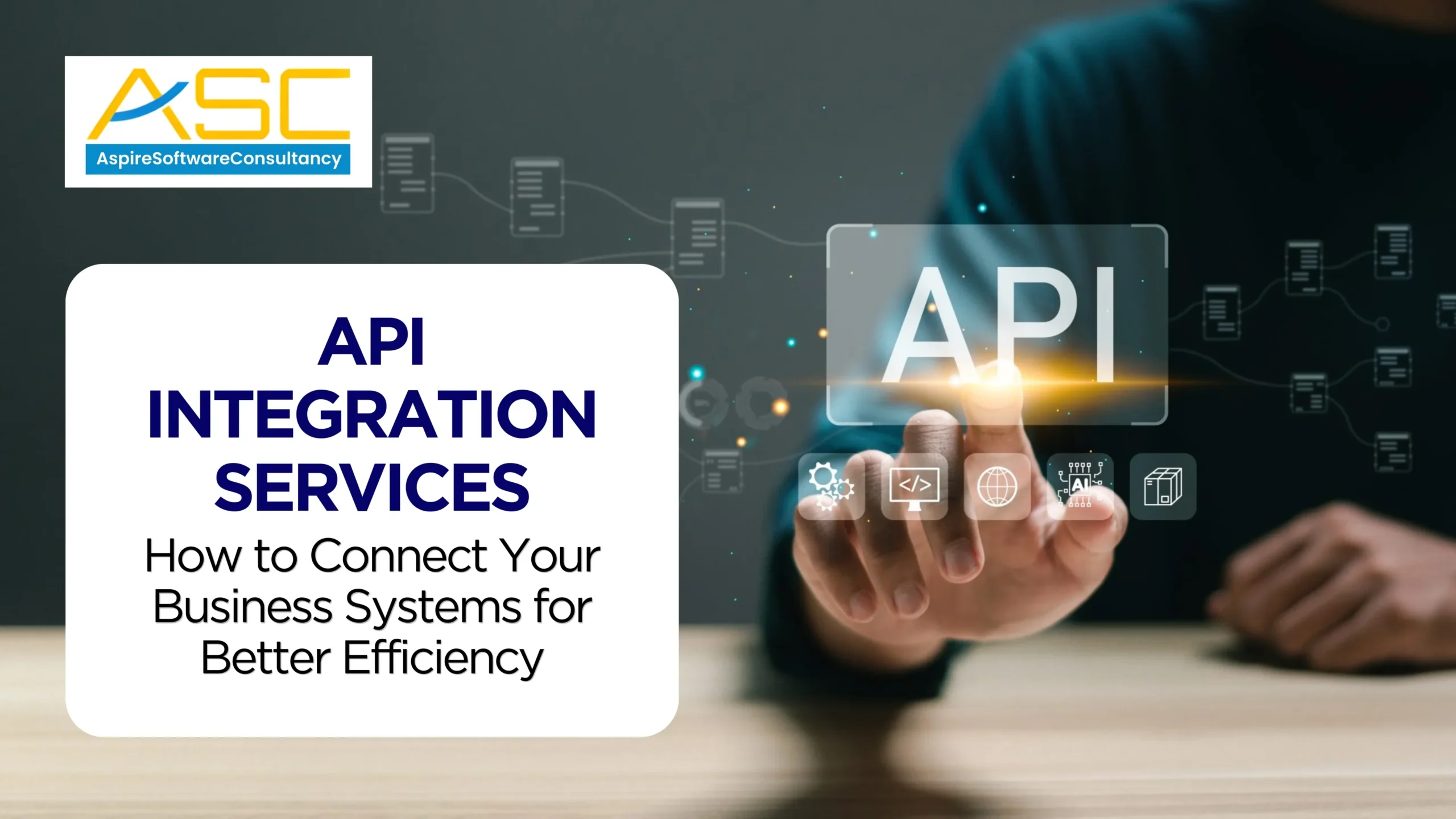
API (Application Programming Interface) integration allows different software systems to communicate and share data with each other in real time. Instead of manually transferring data between platforms, APIs automate the process, ensuring accuracy and speed.
For example, integrating your CRM with your marketing platform ensures that customer data flows seamlessly, helping your team make better decisions faster.
Businesses today increasingly rely on software consulting services to design and implement robust API integrations tailored to their unique needs.
Why API Integration Matters for Businesses
Disconnected systems create operational bottlenecks. Employees waste time switching between platforms, duplicating data, and correcting errors.
With the right API integration strategy, businesses can:
- Eliminate manual data entry
- Improve data accuracy
- Enhance team productivity
- Enable real-time reporting
- Deliver better customer experiences
Modern organizations investing in IT consultancy services are prioritizing integration as a key step toward digital transformation.
Key Benefits of API Integration
1. Improved Operational Efficiency
API integration automates repetitive tasks, reducing manual effort and saving time. This allows teams to focus on strategic activities rather than administrative work.
2. Real-Time Data Synchronization
Integrated systems ensure that data is updated across all platforms instantly. This is especially valuable for sales, marketing, and customer support teams.
3. Better Decision-Making
With accurate and centralized data, businesses can generate meaningful insights and make informed decisions quickly.
4. Scalability for Growth
As your business grows, integrated systems can easily adapt to new tools and technologies. This flexibility is crucial in modern enterprise application development.
5. Enhanced Customer Experience
API integrations enable personalized customer interactions by providing a unified view of customer data across platforms.
Salesforce Integration: A Powerful Use Case
One of the most common and impactful integrations involves CRM systems like Salesforce.
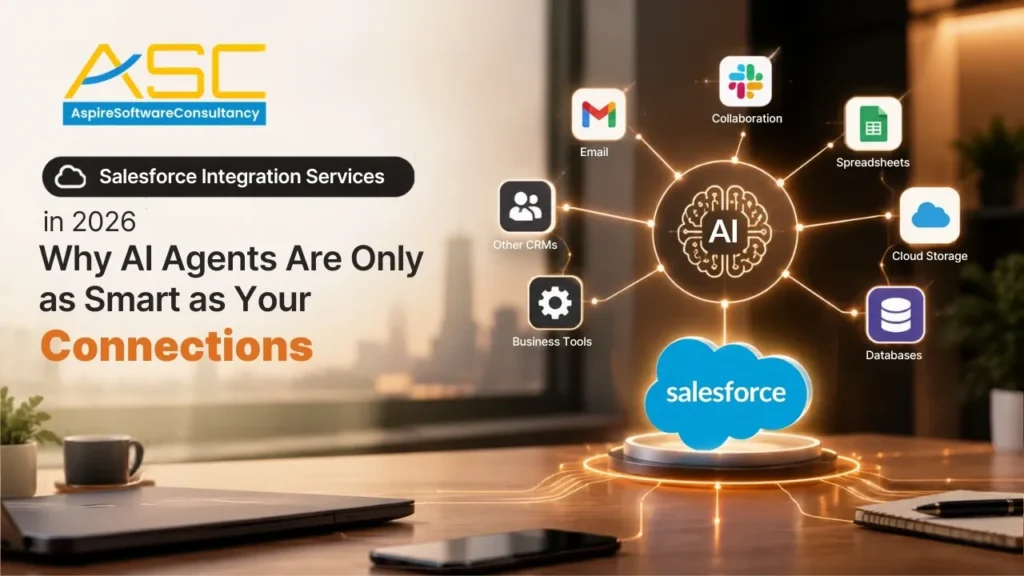
Businesses leveraging salesforce integration services can connect their CRM with marketing automation tools, ERP systems, customer support platforms, and more.
Why Salesforce Integration?
- Centralizes customer data
- Automates lead management
- Improves sales pipeline visibility
- Enhances customer engagement
With salesforce crm integration services, businesses can ensure seamless communication between sales, marketing, and service teams.
Additionally, salesforce cloud integration services allow organizations to connect cloud-based applications, making operations more agile and scalable.
Common API Integration Scenarios
Here are some practical examples of how businesses use API integration:
- CRM + Email Marketing Tools
- ERP + Inventory Management Systems
- Payment Gateways + E-commerce Platforms
- HR Systems + Payroll Software
- Customer Support Tools + CRM
These integrations eliminate redundancies and create a unified workflow across departments.
Challenges in API Integration
While API integration offers numerous benefits, it also comes with challenges:
- Compatibility issues between systems
- Data security concerns
- Complex implementation processes
- Maintenance and updates
This is why working with an experienced software development consultancy is essential. Experts ensure that integrations are secure, scalable, and aligned with business goals.
How Aspire Software Consultancy Can Help
At Aspire Software Consultancy, we specialize in delivering tailored API integration solutions that align with your business objectives.
Our approach includes:
1. Requirement Analysis
We understand your existing systems, workflows, and business goals.
2. Custom Integration Strategy
We design a solution that ensures seamless communication between your applications.
3. Secure Implementation
Our team ensures that all integrations follow best practices for data security and compliance.
4. Testing & Optimization
We rigorously test integrations to ensure performance and reliability.
5. Ongoing Support
We provide continuous support to keep your systems running smoothly.
With expertise in software consulting services and enterprise application development, we help businesses build connected ecosystems that drive efficiency and growth.
Best Practices for Successful API Integration
To get the most out of API integration, businesses should follow these best practices:
- Choose scalable and flexible APIs
- Prioritize data security and compliance
- Use standardized data formats
- Monitor performance regularly
- Work with experienced integration partners
Investing in professional IT consultancy services ensures that your integration strategy is future-ready.
The Future of API Integration
As businesses continue to adopt cloud technologies and digital platforms, API integration will become even more critical.
Emerging trends include:
- AI-powered integrations
- Low-code and no-code integration platforms
- Increased focus on real-time data processing
- Expansion of cloud-based integrations
Organizations that embrace these trends will gain a competitive edge in efficiency and innovation.
Conclusion
API integration is no longer a luxury—it’s a necessity for businesses looking to scale and stay competitive. By connecting your systems, you can streamline operations, improve data accuracy, and deliver better customer experiences.
At Aspire Software Consultancy, we provide expert-driven API integration solutions that empower your business to operate smarter and grow faster.
Frequently Asked Questions
API integration connects different software systems so they can share data automatically, reducing manual work and improving efficiency.
It improves productivity, ensures real-time data flow, reduces errors, and enhances decision-making.
These services connect Salesforce with other business applications to streamline operations and improve customer relationship management.
The timeline depends on the complexity of systems involved, but it can range from a few days to several weeks.
Yes, when implemented correctly with proper authentication, encryption, and monitoring, API integration is highly secure.